A practical look at what the water is actually doing across our July destinations, because the difference between a beach that swims and a beach that simply photographs well is the difference between a good week and a wasted flight.
Sea conditions across the map
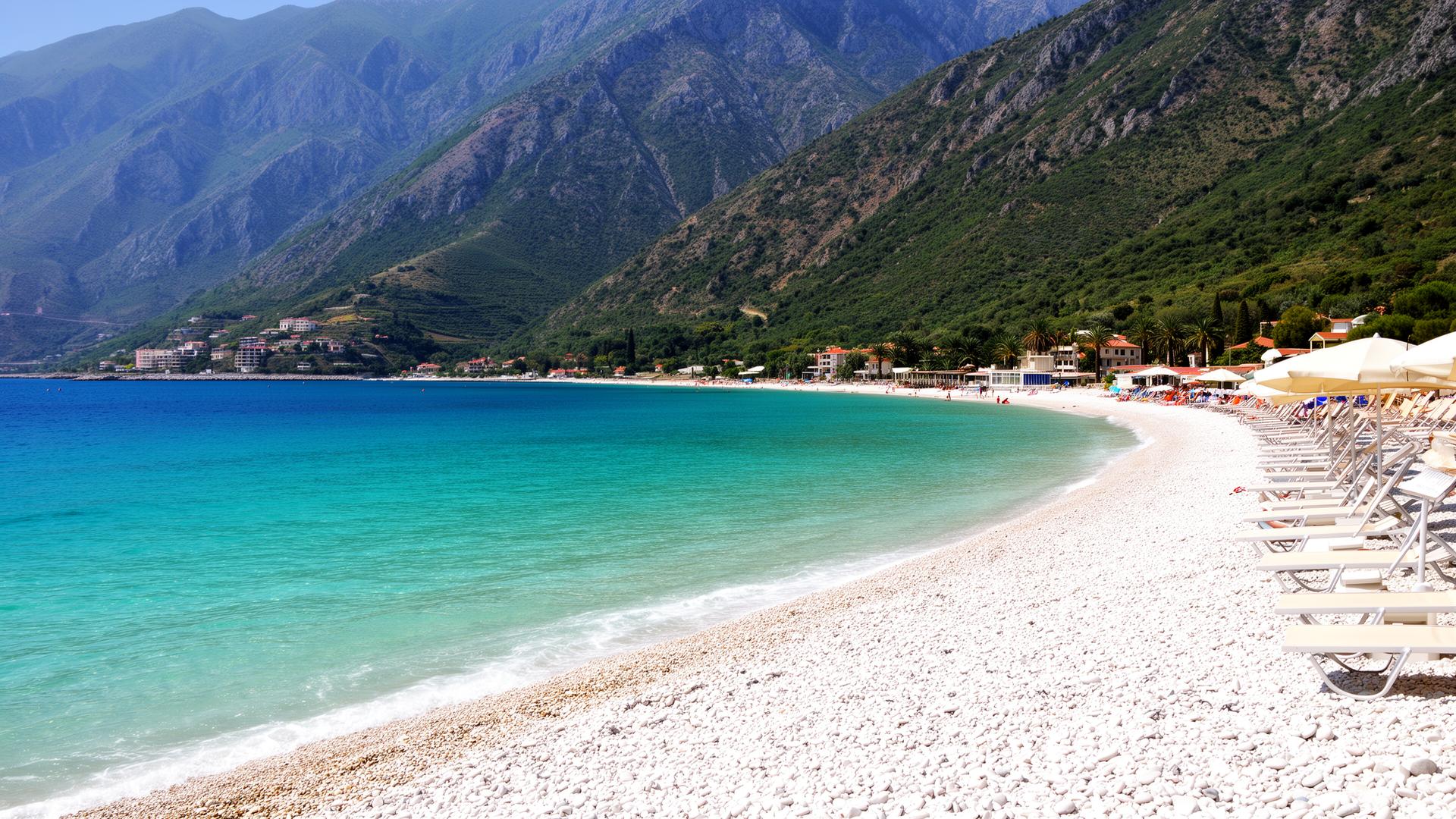
Albanian coast around Ksamil and Dhermi is the hidden chapter of Mediterranean July. The water is clear, the prices are reasonable, the beaches are emptier. Corsica's eastern coast around Porto Vecchio has long sandy stretches with shallow turquoise water. Sardinia's south coast at Chia and the wild northeast at Cala Goloritze remain spectacular. Greek backwaters like Astypalea, Kasos, and Lipsi are the calm version of the Cyclades.
This matters because the published air temperature tells you almost nothing about whether you will swim. A 30 C afternoon over a 17 C sea is a windy walk, not a beach day. A 24 C afternoon over a 26 C sea is the kind of day you remember for years. July is one of those months where the gap between expectation and reality is widest, which is why so many travelers come home disappointed from beach trips that looked perfect on paper.
The four water profiles to know
Lagoon-flat protected water
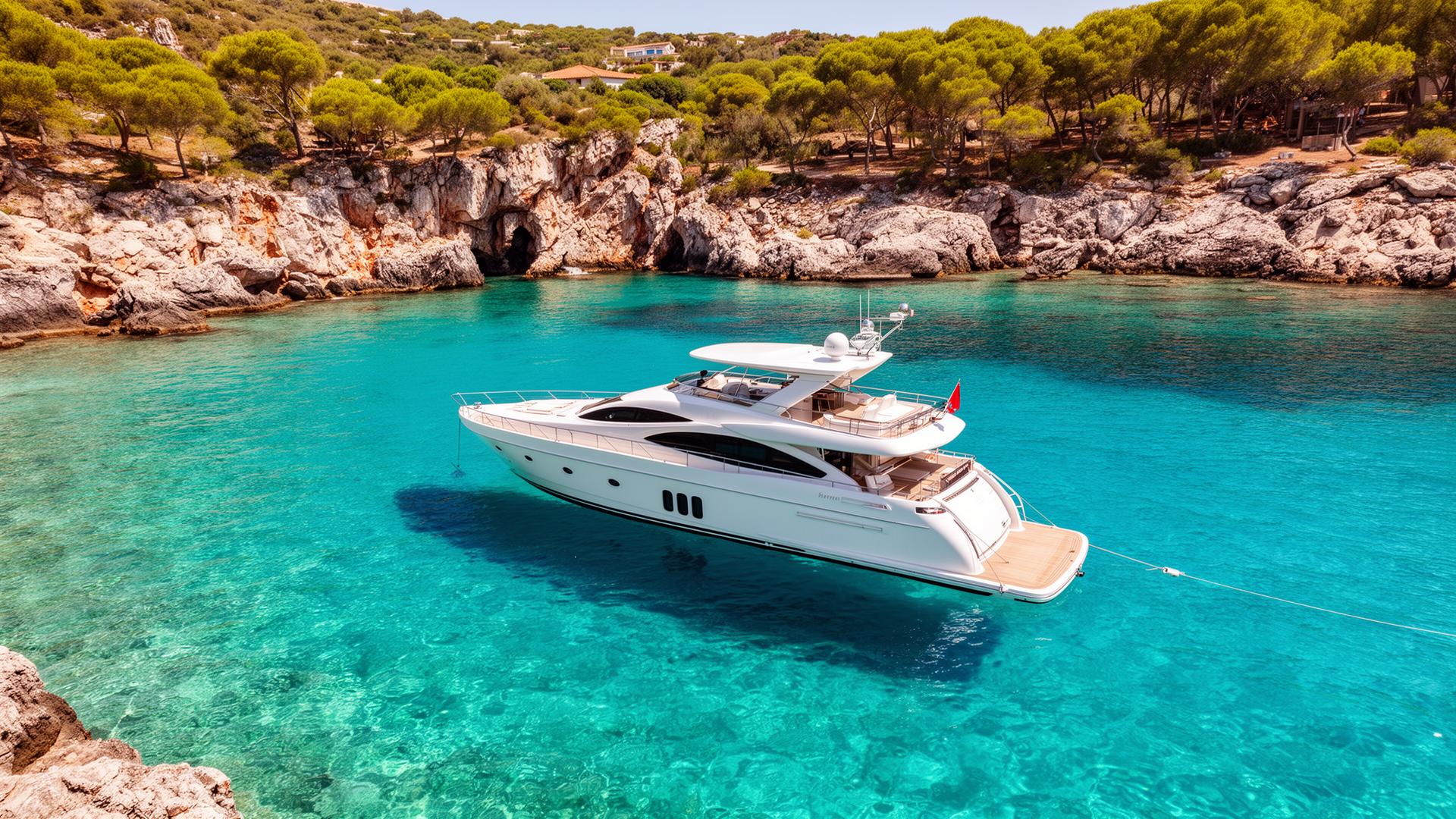
Reef-protected lagoons, shallow shelves, and enclosed bays give you swimming-pool conditions. In July the standout locations of this profile are the calmer cards in our destinations list, especially anywhere with a reef break far offshore.
Clean open-ocean swims
Open-ocean beaches with a small to medium swell are the most rewarding for strong swimmers. The water is colder by a degree or two but the clarity is usually higher and the air smells better. Watch for rips. Swim along the shore, not toward the horizon.
Surf-friendly beach breaks
Several July destinations have small clean surf at this time of year. Beach breaks with sandy bottoms are ideal for beginners and intermediates. Avoid reef breaks unless you know what you are doing.
Cool-water character coasts
Some of our picks have air temperatures in the high 20s but sea temperatures below 20 C. These are character coasts. You swim quickly and walk for hours. The light, the sand, and the seafood are the prize, not the long swim.
What to pack for a July water trip
- A real rashguard, not a fashion one. UV is stronger in tropical July than most travelers expect.
- Mask and snorkel if any of your destinations have reef. Rental gear is often poor quality.
- A microfiber towel that dries in twenty minutes.
- Reef-safe sunscreen, ideally lotion not spray, ideally bought before you arrive.
- Water shoes for rocky entries. Half our destinations have them.
Reading the local tide and wind
Before you book a specific beach, check the local tide chart for your week and the prevailing wind direction. Half the world's beaches lose their best swimming window at low tide. The other half are perfect only at low tide. Wind matters more than air temperature for beach comfort. A windy 28 C day is harder than a still 24 C day.
July is the test of where you choose. Smart pockets give you summer. Wrong pockets give you traffic.