July is the loudest month of the European summer. The Greek islands are full, the Croatian coast is a moving party, the Italian Riviera bottlenecks at every gelato counter. There are still places where you can find space if you choose the right pocket. The lesser-known Cyclades, the inner Dalmatian islands, the wilder corners of Sardinia and Corsica, and the Albanian Riviera which is having its quietest last summer before the full discovery wave hits.
Why July works
Mediterranean averages 28 to 33 C, water 23 to 26 C. Some inland heat domes push to 38 C in Spain and southern Italy. Greek meltemi gusts often. Croatian water tops out around 24 C. Albanian coast is 30 C air and 24 C water with a fraction of the crowds.
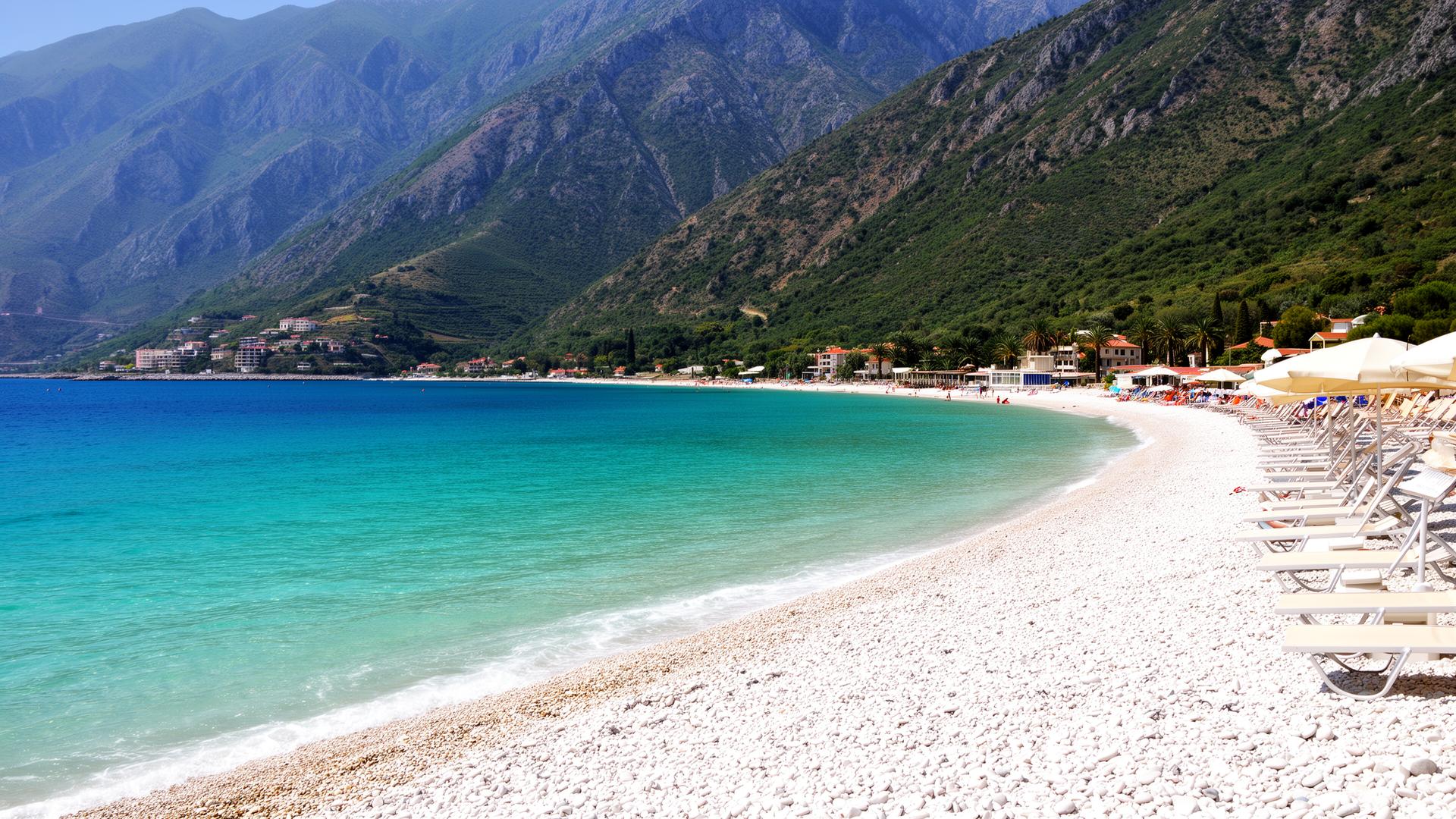
Albanian coast around Ksamil and Dhermi is the hidden chapter of Mediterranean July. The water is clear, the prices are reasonable, the beaches are emptier. Corsica's eastern coast around Porto Vecchio has long sandy stretches with shallow turquoise water. Sardinia's south coast at Chia and the wild northeast at Cala Goloritze remain spectacular. Greek backwaters like Astypalea, Kasos, and Lipsi are the calm version of the Cyclades.
The five destinations we keep returning to
Croatia, Adriatic
Lastovo, Mljet, Pelješac. Skip the Hvar-Split highway. Daytime temperatures average around 29 C / 84 F. The water sits warm enough that the first swim of the morning feels like an unhurried decision rather than a brave one. Locals fall into a daily rhythm around the sun: early walk, late breakfast, long swim, slower lunch, quiet hour, second swim, sunset somewhere with a view.
The reason Croatia works in July comes down to geography. The prevailing wind pattern keeps humidity in check, the sea has had enough time to either warm up or stay warm, and the local tourism rhythm is either at its considered peak or in a friendly shoulder. Either way, restaurants are open, transport is running, and accommodation has enough choice that you do not need to compromise.
Italy, Mediterranean
Sardinia southwest, Sicily north coast, Salento beaches. Daytime temperatures average around 30 C / 86 F. The water sits warm enough that the first swim of the morning feels like an unhurried decision rather than a brave one. Locals fall into a daily rhythm around the sun: early walk, late breakfast, long swim, slower lunch, quiet hour, second swim, sunset somewhere with a view.
The reason Italy works in July comes down to geography. The prevailing wind pattern keeps humidity in check, the sea has had enough time to either warm up or stay warm, and the local tourism rhythm is either at its considered peak or in a friendly shoulder. Either way, restaurants are open, transport is running, and accommodation has enough choice that you do not need to compromise.
Albania, Adriatic / Ionian
Ksamil, Dhermi, Himare. Riviera at affordable prices. Daytime temperatures average around 31 C / 88 F. The water sits warm enough that the first swim of the morning feels like an unhurried decision rather than a brave one. Locals fall into a daily rhythm around the sun: early walk, late breakfast, long swim, slower lunch, quiet hour, second swim, sunset somewhere with a view.
The reason Albania works in July comes down to geography. The prevailing wind pattern keeps humidity in check, the sea has had enough time to either warm up or stay warm, and the local tourism rhythm is either at its considered peak or in a friendly shoulder. Either way, restaurants are open, transport is running, and accommodation has enough choice that you do not need to compromise.
Greece, Aegean
Lesser Cyclades, Karpathos, Lefkada west coast. Daytime temperatures average around 31 C / 88 F. The water sits warm enough that the first swim of the morning feels like an unhurried decision rather than a brave one. Locals fall into a daily rhythm around the sun: early walk, late breakfast, long swim, slower lunch, quiet hour, second swim, sunset somewhere with a view.
The reason Greece works in July comes down to geography. The prevailing wind pattern keeps humidity in check, the sea has had enough time to either warm up or stay warm, and the local tourism rhythm is either at its considered peak or in a friendly shoulder. Either way, restaurants are open, transport is running, and accommodation has enough choice that you do not need to compromise.
France, Corsica
Porto Vecchio, Bonifacio, Cap Corse calanques. Daytime temperatures average around 29 C / 84 F. The water sits warm enough that the first swim of the morning feels like an unhurried decision rather than a brave one. Locals fall into a daily rhythm around the sun: early walk, late breakfast, long swim, slower lunch, quiet hour, second swim, sunset somewhere with a view.
The reason France works in July comes down to geography. The prevailing wind pattern keeps humidity in check, the sea has had enough time to either warm up or stay warm, and the local tourism rhythm is either at its considered peak or in a friendly shoulder. Either way, restaurants are open, transport is running, and accommodation has enough choice that you do not need to compromise.
How to plan it
- Book Croatian ferries weeks ahead. Cars wait hours at peak crossings.
- Greek meltemi can ground ferries for a day. Add buffer if you have a flight to catch.
- Albanian beach clubs around Ksamil rent umbrellas reasonably. Negotiate at the entrance, not online.
- Sardinia rental cars triple in price last minute in July. Reserve in May.
Where to stay
Croatian apartments on Pelješac near Orebic and Trpanj cost less than half of Hvar. Albanian guesthouses in Dhermi and Himare run by local families are warm and inexpensive. Sardinian B and Bs inland from the south coast beaches around Chia are walkable to the dunes. Corsican gites and small auberges in the Alta Rocca beat the coastal resort prices. Greek studios on Karpathos in Diafani or Olympos give you the old island life.
Final thoughts
July is the test of where you choose. Smart pockets give you summer. Wrong pockets give you traffic.
If you take only one piece of advice from this guide, take this. The best July trip is not the one that ticks the most destinations, it is the one that gives the sun and the water enough time to do what they are good at. Stay longer in fewer places. Eat where the menu is short. Walk barefoot when you can. The chase for summer is rarely about distance, it is about timing, and July is one of those months that pays the patient traveler back in full.