April is when the Greek islands shake off winter and the Aegean light returns, when Cyprus hits its first warm beach days, and when Egypt's Red Sea coast becomes one of the most reliable warm-water destinations on the planet. Southeast Asia gets seriously hot in April, with Thailand topping 35 C inland, so the smarter choice is to follow the Mediterranean as it warms up. The Canary Islands are still excellent. Morocco's Atlantic coast around Essaouira finally turns swimmable for the brave.
Why April works
Greek islands run 22 to 25 C air, 18 to 20 C water on the south Aegean. Cyprus pushes 25 C with water around 20 C. The Red Sea around Marsa Alam stays at 24 C water and 30 C air. Bali is still warm and reasonably dry. The southeastern Mediterranean light in April has that particular clarity that photographers chase.
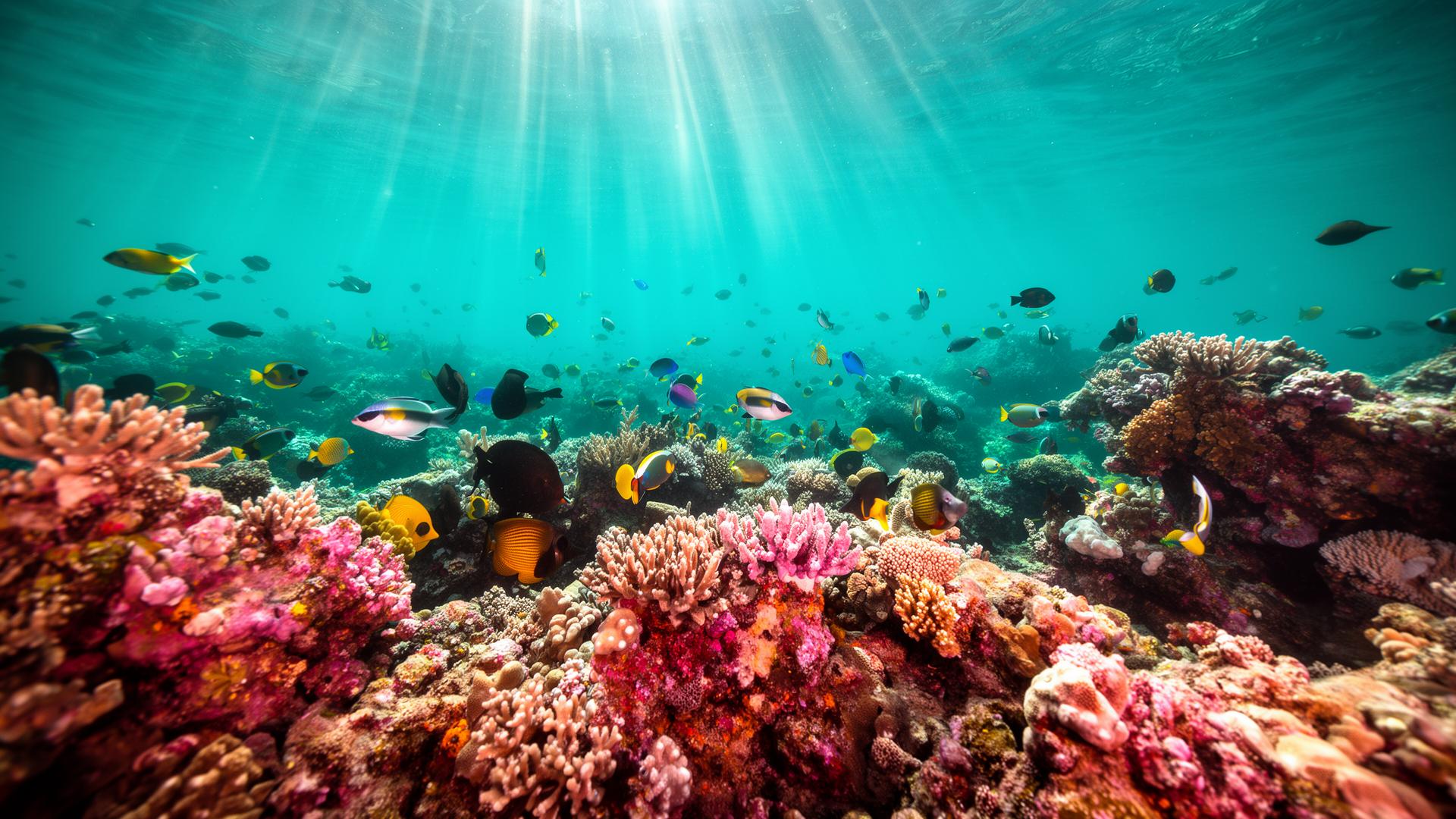
The Red Sea is the standout. Water around Marsa Alam, Dahab, and El Quseir is bath warm with visibility past 30 meters. Greek south coast bays on Crete, Karpathos, and Rhodes start to feel summery by mid-month. Cyprus beaches around Ayia Napa and the Akamas Peninsula warm fast because of the shallow shelf.
The five destinations we keep returning to
Greece, Mediterranean
Crete south coast, Naxos, Paros. Cyclades wake up mid-month. Daytime temperatures average around 23 C / 73 F. The water sits warm enough that the first swim of the morning feels like an unhurried decision rather than a brave one. Locals fall into a daily rhythm around the sun: early walk, late breakfast, long swim, slower lunch, quiet hour, second swim, sunset somewhere with a view.
The reason Greece works in April comes down to geography. The prevailing wind pattern keeps humidity in check, the sea has had enough time to either warm up or stay warm, and the local tourism rhythm is either at its considered peak or in a friendly shoulder. Either way, restaurants are open, transport is running, and accommodation has enough choice that you do not need to compromise.
Cyprus, Mediterranean
Akamas, Lara Bay, Cape Greco. Quieter than peak summer. Daytime temperatures average around 25 C / 77 F. The water sits warm enough that the first swim of the morning feels like an unhurried decision rather than a brave one. Locals fall into a daily rhythm around the sun: early walk, late breakfast, long swim, slower lunch, quiet hour, second swim, sunset somewhere with a view.
The reason Cyprus works in April comes down to geography. The prevailing wind pattern keeps humidity in check, the sea has had enough time to either warm up or stay warm, and the local tourism rhythm is either at its considered peak or in a friendly shoulder. Either way, restaurants are open, transport is running, and accommodation has enough choice that you do not need to compromise.
Egypt, Red Sea
Marsa Alam for reef, Dahab for calm, Hurghada for choice. Daytime temperatures average around 29 C / 84 F. The water sits warm enough that the first swim of the morning feels like an unhurried decision rather than a brave one. Locals fall into a daily rhythm around the sun: early walk, late breakfast, long swim, slower lunch, quiet hour, second swim, sunset somewhere with a view.
The reason Egypt works in April comes down to geography. The prevailing wind pattern keeps humidity in check, the sea has had enough time to either warm up or stay warm, and the local tourism rhythm is either at its considered peak or in a friendly shoulder. Either way, restaurants are open, transport is running, and accommodation has enough choice that you do not need to compromise.
Morocco, North Africa
Essaouira for wind, Agadir for warmth, Taghazout for surf. Daytime temperatures average around 23 C / 73 F. The water sits warm enough that the first swim of the morning feels like an unhurried decision rather than a brave one. Locals fall into a daily rhythm around the sun: early walk, late breakfast, long swim, slower lunch, quiet hour, second swim, sunset somewhere with a view.
The reason Morocco works in April comes down to geography. The prevailing wind pattern keeps humidity in check, the sea has had enough time to either warm up or stay warm, and the local tourism rhythm is either at its considered peak or in a friendly shoulder. Either way, restaurants are open, transport is running, and accommodation has enough choice that you do not need to compromise.
Canary Islands, Spain
Fuerteventura still in form. Less wind than mid-summer. Daytime temperatures average around 23 C / 73 F. The water sits warm enough that the first swim of the morning feels like an unhurried decision rather than a brave one. Locals fall into a daily rhythm around the sun: early walk, late breakfast, long swim, slower lunch, quiet hour, second swim, sunset somewhere with a view.
The reason Canary Islands works in April comes down to geography. The prevailing wind pattern keeps humidity in check, the sea has had enough time to either warm up or stay warm, and the local tourism rhythm is either at its considered peak or in a friendly shoulder. Either way, restaurants are open, transport is running, and accommodation has enough choice that you do not need to compromise.
How to plan it
- Greek Easter shifts every year. If it falls in your window, expect closures and crowded ferries on the long weekend.
- Red Sea diving in April is the year's best, especially the southern sites around Wadi Gimal and Elphinstone.
- Cyprus rental cars are cheap and the island is small. Base in Paphos or Polis to access Akamas easily.
- Morocco's Essaouira is windy. Always. Plan kite gear, not snorkeling, if you go in April.
Where to stay
Greek island studios in Naxos around Mikri Vigla and Plaka are open and half-priced compared to July. Cyprus has good villa stock around Polis on the Akamas side, quieter than Paphos itself. Red Sea resorts in Marsa Alam are at low season rates with the same water. Morocco riads in Essaouira's medina cost a fraction of Marrakech equivalents. The Canaries are reliably affordable in April.
Final thoughts
April rewards the traveler who reads the long-range forecast and books late. Mediterranean weather is moodier this early but the rewards are big when it lands right.
If you take only one piece of advice from this guide, take this. The best April trip is not the one that ticks the most destinations, it is the one that gives the sun and the water enough time to do what they are good at. Stay longer in fewer places. Eat where the menu is short. Walk barefoot when you can. The chase for summer is rarely about distance, it is about timing, and April is one of those months that pays the patient traveler back in full.