August is when half of Europe goes on holiday at the same time. The math is unforgiving. Where this works in your favor is in the destinations the big-city traffic ignores. Portugal's wild west coast, Scotland's Western Isles in their three sunny weeks, the Baltic beaches of Lithuania and Estonia, the northern Spanish coast around Asturias and Galicia. All of these are at their actual summer peak in August, and they are not packed.
Why August works
Atlantic Portugal 26 C air, 18 to 19 C water on the west coast, 23 C on the Algarve. Baltic 25 C air, 20 C water. Northern Spain 22 to 25 C air, 19 C water. Scottish islands 18 C air with surprise heatwaves. Mediterranean still hot at 30 C plus.
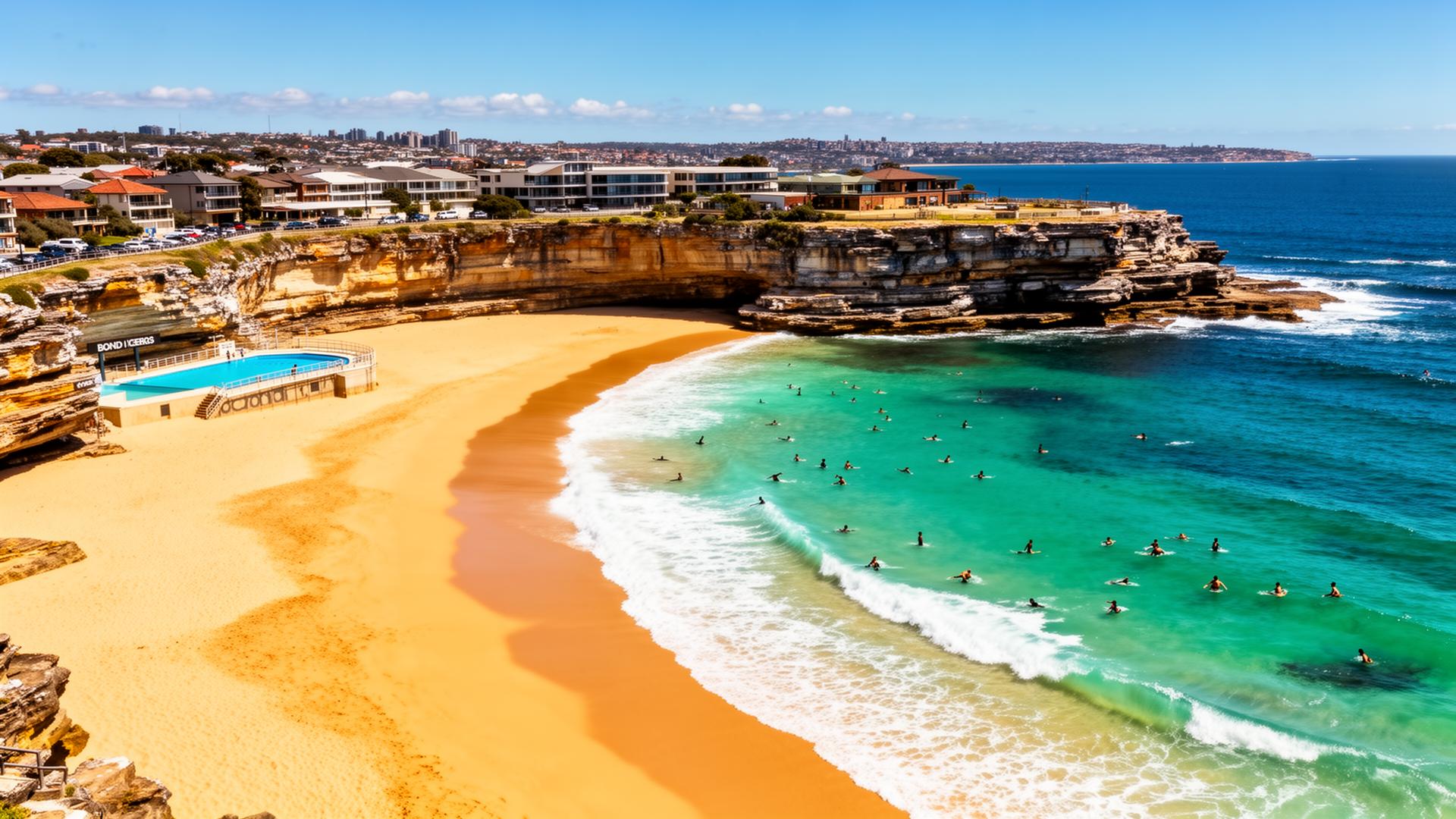
Comporta and the Alentejo coast in Portugal have wild Atlantic beaches with surf and pine forest behind. The Baltic dunes of Nida in Lithuania are some of the largest in Europe. Galician beaches like Praia das Catedrais are dramatic and uncrowded. The Outer Hebrides have white-sand beaches that look Caribbean and feel Arctic.
The five destinations we keep returning to
Portugal, Atlantic
Comporta, west Algarve, Costa Vicentina cliffs. Daytime temperatures average around 26 C / 79 F. The water sits warm enough that the first swim of the morning feels like an unhurried decision rather than a brave one. Locals fall into a daily rhythm around the sun: early walk, late breakfast, long swim, slower lunch, quiet hour, second swim, sunset somewhere with a view.
The reason Portugal works in August comes down to geography. The prevailing wind pattern keeps humidity in check, the sea has had enough time to either warm up or stay warm, and the local tourism rhythm is either at its considered peak or in a friendly shoulder. Either way, restaurants are open, transport is running, and accommodation has enough choice that you do not need to compromise.
Spain, Mediterranean
Costa Brava coves, Menorca, Cabo de Gata. Daytime temperatures average around 31 C / 88 F. The water sits warm enough that the first swim of the morning feels like an unhurried decision rather than a brave one. Locals fall into a daily rhythm around the sun: early walk, late breakfast, long swim, slower lunch, quiet hour, second swim, sunset somewhere with a view.
The reason Spain works in August comes down to geography. The prevailing wind pattern keeps humidity in check, the sea has had enough time to either warm up or stay warm, and the local tourism rhythm is either at its considered peak or in a friendly shoulder. Either way, restaurants are open, transport is running, and accommodation has enough choice that you do not need to compromise.
Greece, Aegean
Folegandros, Donousa, Schinoussa. The quiet Cyclades. Daytime temperatures average around 30 C / 86 F. The water sits warm enough that the first swim of the morning feels like an unhurried decision rather than a brave one. Locals fall into a daily rhythm around the sun: early walk, late breakfast, long swim, slower lunch, quiet hour, second swim, sunset somewhere with a view.
The reason Greece works in August comes down to geography. The prevailing wind pattern keeps humidity in check, the sea has had enough time to either warm up or stay warm, and the local tourism rhythm is either at its considered peak or in a friendly shoulder. Either way, restaurants are open, transport is running, and accommodation has enough choice that you do not need to compromise.
Italy, Adriatic
Marche, Abruzzo Costa dei Trabocchi, Tremiti islands. Daytime temperatures average around 29 C / 84 F. The water sits warm enough that the first swim of the morning feels like an unhurried decision rather than a brave one. Locals fall into a daily rhythm around the sun: early walk, late breakfast, long swim, slower lunch, quiet hour, second swim, sunset somewhere with a view.
The reason Italy works in August comes down to geography. The prevailing wind pattern keeps humidity in check, the sea has had enough time to either warm up or stay warm, and the local tourism rhythm is either at its considered peak or in a friendly shoulder. Either way, restaurants are open, transport is running, and accommodation has enough choice that you do not need to compromise.
Lithuania, Baltic
Nida and the Curonian Spit, Palanga pine beaches. Daytime temperatures average around 23 C / 73 F. The water sits warm enough that the first swim of the morning feels like an unhurried decision rather than a brave one. Locals fall into a daily rhythm around the sun: early walk, late breakfast, long swim, slower lunch, quiet hour, second swim, sunset somewhere with a view.
The reason Lithuania works in August comes down to geography. The prevailing wind pattern keeps humidity in check, the sea has had enough time to either warm up or stay warm, and the local tourism rhythm is either at its considered peak or in a friendly shoulder. Either way, restaurants are open, transport is running, and accommodation has enough choice that you do not need to compromise.
How to plan it
- Portugal's west coast has dangerous Atlantic currents. Swim where lifeguards are present.
- Greek smaller Cyclades have one boat in and one boat out a day. Plan tightly.
- Spain's Costa Brava cove parking fills by 9 a.m. Bike or walk in from villages.
- Italian August holiday weekend, Ferragosto on August 15, is the busiest single day. Skip travel that day.
Where to stay
Comporta has expensive resorts but Carvalhal and Pego have small guesthouses behind the dunes. Galician casas rurales in the Rias Baixas region around Combarro are cheap and excellent. Greek small Cyclades have a handful of pensions and they fill, so book early. Italian beach pensioni on the Costa dei Trabocchi between Vasto and Pescara are unfashionable and lovely. Lithuanian Nida has wooden cottage rentals you book through the tourism board.
Final thoughts
August needs imagination. The familiar places are full. The secondary places are at their peak and quietly perfect.
If you take only one piece of advice from this guide, take this. The best August trip is not the one that ticks the most destinations, it is the one that gives the sun and the water enough time to do what they are good at. Stay longer in fewer places. Eat where the menu is short. Walk barefoot when you can. The chase for summer is rarely about distance, it is about timing, and August is one of those months that pays the patient traveler back in full.